

The silent epidemic: sleep disorders are rising fast among young adults
A landmark international report links worsening sleep health in under-30s to screens, stress and the rhythms of modern life — with consequences doctors say can no longer be ignored.

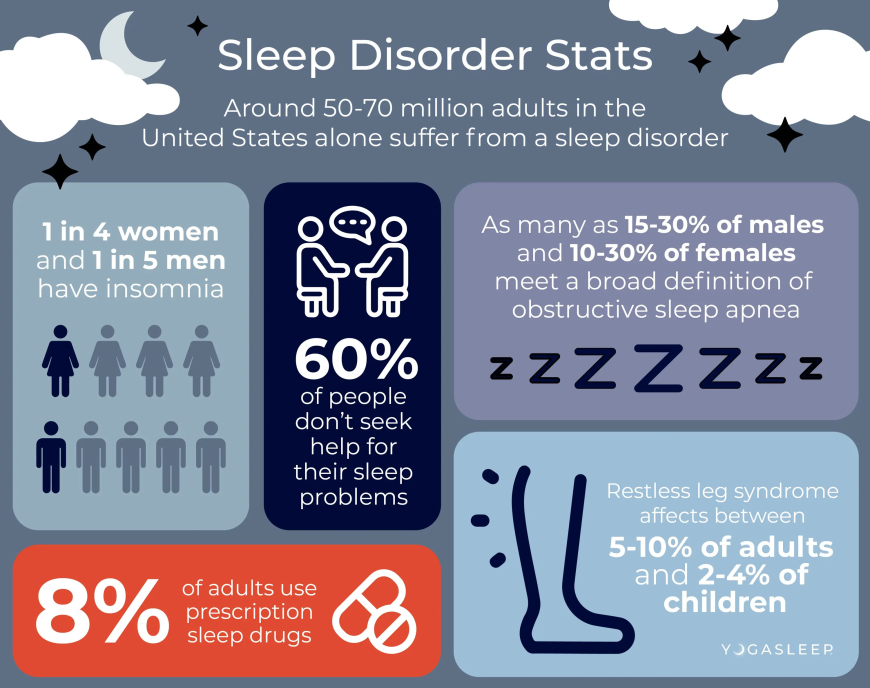
The Silent Epidemic: Sleep Disorders Are Rising Fast Among Young Adults
A major international health report highlights a sharp increase in sleep disorders among people under 30, linking the trend to screens, stress, and the demands of modern life. Experts warn that the consequences are becoming too significant to ignore.
A Growing Global Concern
A new international study analyzing data across multiple countries reveals a clear pattern: young adults are experiencing worsening sleep quality, shorter sleep duration, and increasingly irregular sleep cycles.
This shift is not isolated to one region—it reflects a broader global change in lifestyle and daily habits.
What’s Driving the Trend?
Researchers point to a combination of modern factors disrupting natural sleep patterns:
- Extended screen exposure, especially late at night
- Irregular schedules due to work, studies, and social life
- High stress levels and mental load
- Increased consumption of stimulants, particularly caffeine
The widespread use of smartphones and social media before bedtime is identified as one of the most significant contributors, interfering with the body’s natural sleep rhythms.
Why It Matters
The effects of poor sleep are already visible in everyday life. Many young adults report:
- Persistent fatigue
- Difficulty concentrating
- Mood swings
- Declining academic or professional performance
Health professionals warn that chronic sleep deprivation can lead to more serious long-term conditions, including:
- Anxiety and depression
- Cardiovascular disease
- Weakened immune function
“Addressing the issue early is crucial to preventing long-term health consequences and improving overall wellbeing.”
— International Health Report, 2026
Sleep Hygiene: Expert Recommendations
Specialists emphasize the importance of adopting healthier sleep habits:
- Avoid screens for at least one hour before bedtime
- Maintain a consistent sleep schedule, even on weekends
- Reduce noise and light in the sleeping environment
- Limit caffeine intake, particularly in the afternoon and evening
A Public Health Priority
In response to the growing crisis, several countries have begun incorporating sleep education into public health strategies, particularly those aimed at younger populations.
Experts stress that early intervention is key. Without it, today’s sleep issues could evolve into a major long-term health burden.
Looking Ahead
As the trend accelerates, sleep health is increasingly recognized as a fundamental pillar of overall wellbeing. Addressing it will require both individual behavior changes and a broader societal shift in how modern life is structured.
The way a generation sleeps—or fails to—may soon become one of the defining public health challenges of our time.
What's Your Reaction?
 Like
0
Like
0
 Dislike
0
Dislike
0
 Love
0
Love
0
 Funny
0
Funny
0
 Wow
0
Wow
0
 Sad
0
Sad
0
 Angry
0
Angry
0



)




Comments (0)